Free shipping on orders over EUR 50

By Joelle Pfammatter, Certified Nutritionist
Protein – it’s one of the most essential nutrients for your body. Whether you’re building muscle, managing your weight, or improving your overall wellness, protein sources play an important role.
From classic options like eggs and chicken to innovative products like protein bread, this article explains everything you need to know about protein and how to include it smartly in your diet.
Our diet is made up of macronutrients and micronutrients, both of which are essential for overall health. Micronutrients are needed in smaller amounts and include vitamins and minerals that support metabolism, immunity, and general wellbeing. Macronutrients, on the other hand, consist of proteins, carbohydrates, and fats; they provide energy and serve as the building blocks for your body. Among these, protein stands out as a particularly vital nutrient. Made up of amino acids, the fundamental building blocks of the body, protein plays a role in almost every biological process, from repairing tissues to supporting metabolism and immunity.
Here’s what proteins do for your:
In short, proteins are essential for life – they repair, protect and power your entire body.
Protein is essential for everyone — but how much protein do you really need each day? The answer depends on factors like body weight, age, and activity level. For most healthy adults, the recommended daily intake is about 0.8 grams of protein per kilogram of body weight. That means a person weighing 70 kg would need roughly 56 grams of protein per day. If you’re physically active, an athlete, over 65, or recovering from illness, your body may require more protein to stay strong, support muscle maintenance, and aid recovery.
Here is how to calculate your daily protein needs:
0.8 x your body weight (in kg) = grams of protein per day.
70 kg x 0.8 = 56 g protein/day
To get the most benefit, distribute your protein intake across meals. Including protein in every meal not only supports your muscles but also helps you feel satisfied longer and maintain steady energy throughout the day.
A sample daily plan might look like this:
This approach helps your body absorb and use proteins more effectively – keeping your muscles fueled, your energy steady, and your metabolism active all day long.
Not all proteins are created equal. The quality of a protein depends on its amino acid composition and its biological value — basically, how efficiently your body can use it.
Animal proteins, found in meat, fish, eggs, and dairy, are considered complete proteins. They contain all nine essential amino acids and usually have a high biological value, making them easier for your body to digest and use.
Plant proteins often lack one or more essential amino acids. That’s why it’s important to combine different plant-based sources, such as beans, lentils, nuts, seeds, and whole grains, to ensure you get a complete amino acid profile — especially if you rarely or never consume animal products.
Amino acids are the tiny building blocks of proteins, but their role goes far beyond that. Think of them as the essential components your body uses to build muscles, enzymes, hormones, and even your skin, hair, and nails. Proteins are made up of about 20 different amino acids, which link together in countless combinations to create the diverse proteins your body needs. Your body uses amino acids to produce new proteins, such as muscle and bone tissue, as well as other important compounds like enzymes and hormones. In some cases, amino acids can also serve as an energy source.
Not all amino acids are the same:
By including a variety of protein sources in your meals, you ensure your body has all the amino acids it needs to repair tissues, support metabolism, and maintain overall health.
Biological Value – How efficient is your Protein?
Ever wondered why some proteins are “better” than others? The answer lies in their biological value (BV) — a measure of how efficiently your body can use a protein to build its own tissues.
Did you know? You can boost the quality of proteins by combining certain foods. For example, potatoes with eggs or rice with beans create a more complete amino acid profile, improving the protein’s biological value (BV). Cooking, soaking, or sprouting foods can also enhance digestibility and reduce compounds that interfere with nutrient absorption, helping your body make the most of every meal.
If your meals include animal products, your protein needs are usually covered. For vegetarians and especially vegans, careful combination of plant proteins is key to ensure all essential amino acids are included. Even if you aren’t fully vegetarian, incorporating plant-based proteins regularly benefits both health and the environment. The Swiss Society for Nutrition (SGE) recommends:
You don’t need to mix everything in one single meal — just ensure variety throughout the day.
Thoughtful combinations can significantly improve the nutritional value of your protein intake. Some effective pairings include:
By combining these foods strategically, you can maximize amino acids intake, improve protein quality, and support muscle maintenance, metabolism, and overall wellness – even on a plant base diet.
| Food | Protein (g/100g) *rounded | Typical Serving Size | Protein (g/serving) *rounded |
| Meat (average) | 21g | 100 -120 g | 21 – 25g |
| Fish | 19g | 100 – 120g | 19 – 23g |
| Egg | 13g | 1 – 2 eggs | 7 – 14g |
| Low-fat Quark | 11g | 150 – 200g | 16.5 – 22g |
| Natural Yogurt | 4g | 180g | 7g |
| Hard Cheese | 27g | 30g | 8g |
| Cottage Cheese | 12g | 150 -200g | 18 -24g |
| Mozzarella | 19g | 1 ball (150g) | 28g |
| Soybeans, cooked | 15g | 100g | 15g |
| Tofu | 15g | 100 – 200g | 15 – 30g |
| Lentils, cooked | 9g | 120g | 11g |
| Chickpeas, cooked | 7g | 120g | 8g |
| Beans, cooked | 8g | 120g | 10g |
| Oats, raw | 13g | 40g | 5g |
| Bread | 9g | 50 – 100g | 4.5 – 9g |
| Pasta, raw | 13g | 60 – 80g | 8 – 10g |
| Potatoes, raw | 2g | 200 – 300g | 4 -6g |
| Rice, raw | 7g | 60g | 4g |
| Protein bread | 21g | 50 – 100g | 10 – 21g |
| Amaranth, raw | 16g | 40 – 70g | 6 -11g |
| Buckwheat | 10g | 60g | 8g |
| Quinoa, raw | 13g | 60g | 8g |
| Nuts and Seeds | 21g | 30g | 6g |
| Source: www.naehrwertdaten.ch Protein content may vary significantly – always refer to the nutritional information on the product packaging. These are average values; precise protein information can be found in the nutritional details on the purchased product. |
Meeting your daily protein needs is essential for muscle repair, energy and metabolism, immune system support, and overall health.
Rather than obsessing over exact grams per meal, focus on:
This approach makes it easy to cover your protein needs while supporting long-term wellness — without turning your diet into a math problem.
Focus on variety, balance, and sustainability. Your body gets all the amino acids it needs, supports muscle repair and metabolism, and promotes long-term wellness.
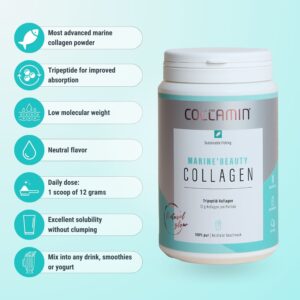
Collagen is the most abundant protein in the human body. It provides structure and strength to skin, bones, tendons, ligaments, and joints — essentially helping tissues stay firm and flexible. Your body naturally produces collagen from amino acids found in protein-rich foods, along with nutrients like vitamin C, zinc, and copper. Over time, collagen production tends to slow down, which can affect skin elasticity and joint function.
You can support collagen formation through everyday nutrition by:
10% Discount
Subscribe to our newsletter and save 10% on your next order!
Subscribe to our newsletter and save 10% on your next order!