Free shipping on orders over EUR 50
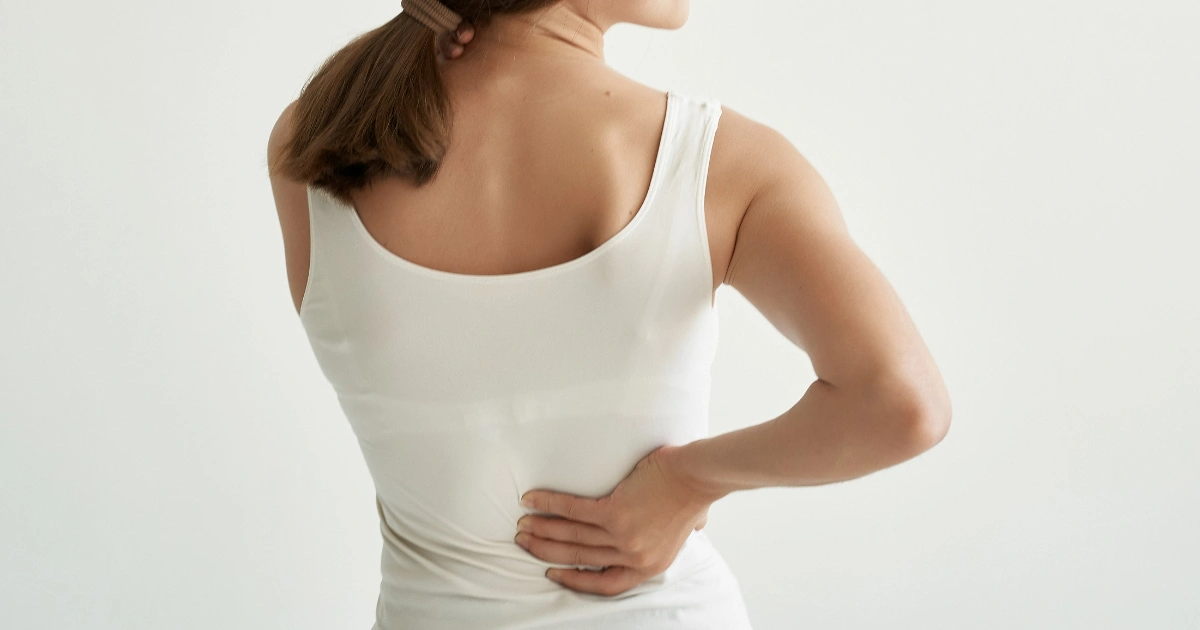
Joint discomfort after starting or increasing physical activity is a common experience, especially for beginners. While temporary soreness can be part of the body adapting to new movement, persistent discomfort may indicate that the joints or surrounding tissues are under strain.
Sports-related joint pain is often linked to overuse, sudden increases in training intensity, or inadequate recovery. In many cases, mild discomfort settles within a short period. However, if symptoms last several days or recur frequently, it may be a sign to adjust training load or technique.
Joint discomfort can involve different structures, including cartilage, tendons, ligaments, or surrounding soft tissue. If pain persists or worsens, medical evaluation is recommended.
Certain joint conditions, such as osteoarthritis or inflammatory joint disorders, can also contribute to discomfort during or after physical activity. Rather than being caused by a single nutrient deficiency, joint health depends on a combination of structural, mechanical, and metabolic factors. If joint pain is ongoing, it is advisable to consult a healthcare professional for proper assessment.
Body alignment and exercise technique play a key role in how stress is distributed across joints. Factors such as footwear, posture, and movement patterns can influence joint loading. Poor alignment or improper form may increase strain on ligaments and muscles, potentially contributing to discomfort over time. Choosing appropriate equipment and focusing on correct technique can help support joint function during exercise.
If joint or muscle discomfort occurs after exercise, temporary adjustments such as rest, reduced intensity, and gentle movement may help support recovery. Topical products or other supportive measures can be used, but persistent pain should not be ignored.
Long-term or recurring discomfort should be evaluated to identify underlying causes rather than relying solely on symptom relief.
Preventive strategies can help maintain joint function and reduce the risk of discomfort:
Activities such as running can place significant load on joints, making proper preparation and recovery especially important.
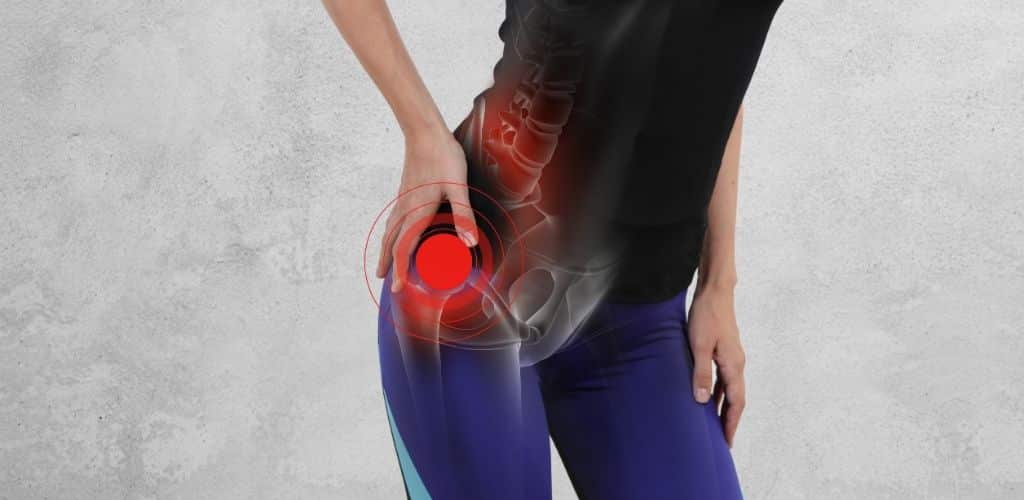
Small daily food choices can play an important role in how your body feels and recovers.
An anti-inflammatory eating pattern focuses on foods that may help the body manage its natural response to physical stress. Many people find relief by including omega-3 sources like fish, walnuts, and chia or flax seeds, along with colorful fruits and vegetables such as blueberries, cherries, spinach, and broccoli. Spices like turmeric and ginger, extra virgin olive oil, and green tea are also commonly part of these diets.
In addition, foods rich in antioxidants (vitamins C and E, polyphenols) and fiber support overall health and may help reduce inflammation markers. Avoiding highly processed foods, added sugars, and excessive saturated fats can further support your efforts.
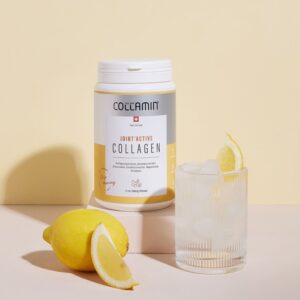
Collagen is a natural component of cartilage and connective tissue. As part of a balanced lifestyle, collagen supplements like Collamin can be a convenient addition to your routine if you want to support joint structure and stay active.
These nutrients contribute to overall body function, which indirectly supports an active lifestyle.
Fruits and vegetables provide essential vitamins, minerals, and plant compounds that support general health. Including leafy greens, berries, and other colorful produce in your meals can be part of a varied diet that supports long-term wellbeing.
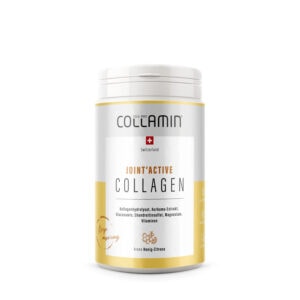
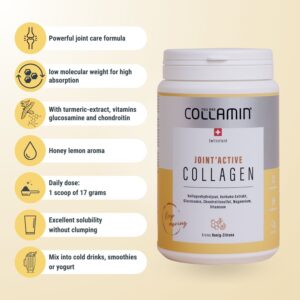
Maintaining joint health is a long-term process built on habits like regular exercise, a balanced diet, and proper hydration. Products like Joint’Active by Collamin, which contain collagen peptides along with complementary ingredients, can be integrated into a daily routine focused on staying active and mobile.
Disclaimer: Food supplements should not be used as a substitute for a varied and balanced diet and a healthy lifestyle. This information is provided for general information only and is not a substitute for professional medical advice. If you have health concerns, please consult a healthcare profession
10% Discount
Subscribe to our newsletter and save 10% on your next order!
Subscribe to our newsletter and save 10% on your next order!