Hair Loss Explained: Hair Types & Tips for Supporting Hair Health
26.08.2025
All BlogpostsHealth
Causes of hair loss and hair regrowth tips are more than just beauty topics—they’re part of a deeper conversation about health, confidence, and self-care. It often starts subtly. A few extra strands on your pillow. More hair in the shower drain. At first, it seems minor. But over time, you might notice a thinner ponytail, a widening part, or more scalp showing in the mirror.
Hair loss is personal. For many, it touches identity and self-esteem. Whether you’re seeing early signs of thinning or navigating more visible changes, you’re not alone—and there are gentle, proactive ways to support your hair health.
This guide explores how hair grows, why it may shed, and how a thoughtful, holistic approach—from scalp care to balanced nutrition—can help you feel more confident and empowered.
Understanding the Structure of Hair
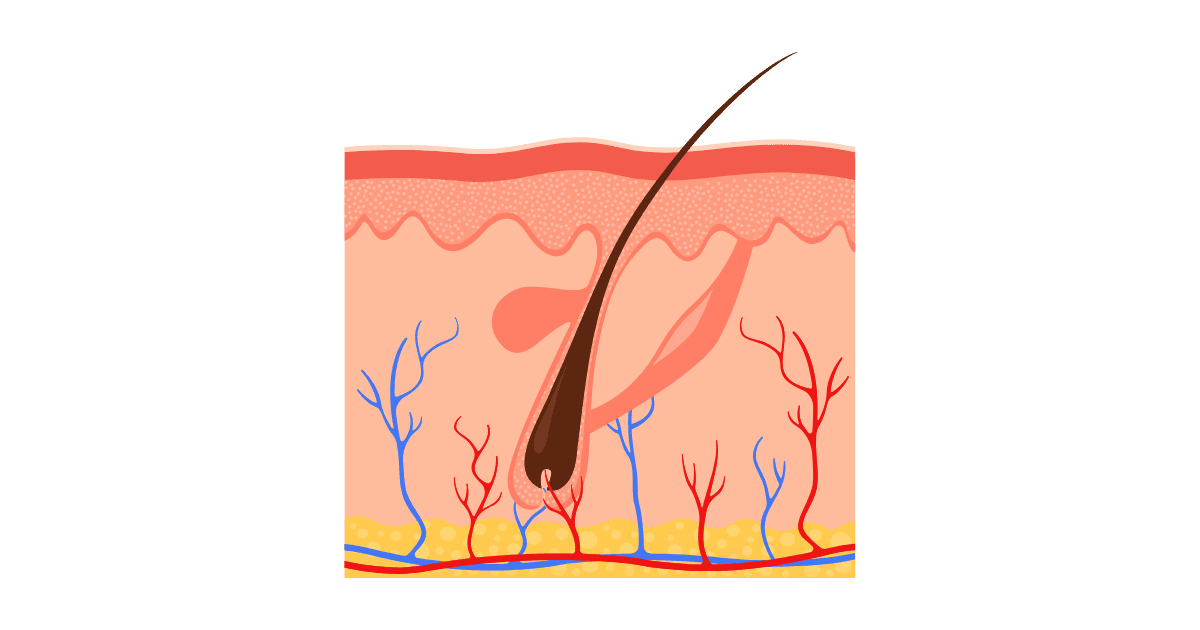
Hair is much more than what we see in the mirror. Each strand is made primarily of keratin, a strong protein that gives hair its structure and durability. But what you see is just part of a complex system beneath the scalp’s surface.
Here’s a quick breakdown:
Hair Shaft: The visible part of the hair, consisting of three layers: Cuticle – the outermost protective layer, like overlapping shingles. Cortex – the thickest layer, containing pigment and strength.
Hair Bulb: The rounded base of the hair root where growth happens.
Hair Follicle: A tiny pocket in the skin housing the root, acting like an engine fueled by blood vessels that deliver oxygen and nutrients.
Sebaceous (Oil) Glands: Attached to each follicle, these glands produce oils that keep scalp and hair hydrated and protected.
How Hair Grows: A Gentle Rhythm of Renewal
Hair doesn’t just grow—it follows a beautifully orchestrated cycle, quietly working beneath the surface of your scalp every day. Each strand is anchored by a follicle, like a tiny engine that fuels growth, rest, and renewal in a continuous loop.
Here’s how the cycle works:
Anagen (Growth Phase): This is the active growing stage, lasting anywhere from 2 to 7 years. Most of the hair on your head—around 85–90%—is in this phase right now, steadily growing longer and stronger.
Catagen (Transition Phase): A brief pause in the cycle, lasting a few weeks. During this time, growth slows, and the follicle begins to shrink.
Telogen (Resting and Shedding Phase): Lasting about 3 months, this is when hair naturally falls out to make space for a new strand to begin growing.
This cycle is completely normal—and essential to healthy hair renewal. However, stress, hormonal changes, or nutritional imbalances can push more hairs into the shedding phase simultaneously, causing noticeable thinning.
Disclaimer: If you experience sudden or severe hair loss, consult a healthcare professional to rule out underlying medical conditions.
Hair Loss: What’s Normal, What’s Not?
Losing around 50 to 100 hairs a day is completely normal—your hair is constantly cycling through growth, rest, and renewal. Most of the time, new strands quietly replace those that fall out, and your hair remains full and healthy.
But sometimes, this delicate balance is disrupted. You may notice more shedding, slower regrowth, or visible thinning. In those cases, understanding the underlying cause can help guide your next steps.
Some common triggers include:
Genetics
Hormonal changes (such as pregnancy, childbirth, or menopause)
Emotional or physical stress
Nutritional deficiencies (like low iron, protein, or vitamin D)
Tight hairstyles (braids, ponytails, extensions)
Chemical treatments (perms, bleach, excessive heat)
Certain medications or medical treatments (including chemotherapy)
Some forms of hair loss are temporary, while others may be more permanent. Knowing what type you’re dealing with can help you respond more effectively.
Types of Hair Loss
Here are some of the most common forms of hair loss:
Androgenetic Alopecia (Male or Female Pattern Baldness): Genetic and gradual, this typically shows as a receding hairline or crown thinning in men, and diffuse thinning or a widening part in women. Treatments range from topical solutions to medical procedures. Cosmetic options and gentle care can boost confidence.
Telogen Effluvium: This is another common form of hair loss that’s often temporary. It usually occurs in response to physical or emotional stress, illness, surgery, or hormonal shifts like those experienced after childbirth. A few months after the initial stressor, you may notice more shedding than usual. Fortunately, as the body regains its equilibrium, hair growth often resumes on its own. During this time, many find it helpful to focus on restorative habits—such as proper sleep, balanced nutrition, and stress management techniques. Gentle scalp care and a reduction in heat or chemical styling can also create a healthier environment for new growth.
Alopecia Areata: This autoimmune condition causes sudden, patchy hair loss, sometimes affecting eyebrows or body hair as well. Its course can vary, but many people benefit from dermatological care, calming routines, and emotional support to navigate the experience with resilience.
Anagen Effluvium: This is a form of rapid hair loss that typically occurs during the hair’s growth phase and is often linked to medical treatments like chemotherapy. This type of hair loss can be sudden and extensive, but it’s usually temporary, with regrowth beginning after treatment ends. As hair returns, nourishing routines that include scalp massage, moisturizing oils, and nutritional support may be part of a gentle, restorative approach.
While not all types of hair loss can be fully reversed, recognizing the form you’re dealing with can help you take empowering steps forward. Whether through lifestyle adjustments, professional treatments, or simply giving your hair and scalp the kindness they need, there are ways to support yourself on the path to renewed health and confidence.
Disclaimer:Treatments and outcomes vary. Always consult a dermatologist or healthcare provider for diagnosis and personalized advice.
Signs to Look Out For
Early signs of hair loss may include:
A receding hairline or thinning at the crown (common in men)
A widening part or overall thinning (common in women)
Excess shedding in the shower, on your brush, or pillow
Patches or clumps of hair falling out suddenly
If you notice changes, tracking them over time can help guide supportive steps—or a conversation with your healthcare provider.
Hair Loss in Men and Women: Different Patterns, Same Struggles
In Men:
Receding at the temples and thinning on the crown are typical.
Genetics and a hormone called DHT often play a strong role. DHT is a derivative of testosterone and plays a role in male development, but it can also negatively impact hair follicles.
In Women:
Hair usually thins evenly across the scalp.
Hormonal shifts— Events like postpartum and menopause can trigger or worsen hair loss due to hormone shifts.
PCOS connection: Polycystic ovary syndrome (PCOS) can lead to higher androgen levels, which may contribute to thinning hair.
Despite the differences, the emotional impact is real for everyone. Supporting your hair can be a powerful form of self-care—no matter your gender.
Caring for Your Hair (and Yourself)
While not all forms of hair loss can be prevented, gentle habits can help support healthy growth and reduce unnecessary damage:
Avoid tight hairstyles and heavy extensions.
Be gentle when brushing and detangling.
Limit heat styling and harsh chemical treatments.
Choose nourishing, mild hair products.
Use a conditioner to keep hair hydrated and manageable.
Pat—don’t rub—your hair dry with a towel.
Be Kind to Your Scalp
A healthy scalp is the foundation of strong hair:
Scalp massage to improve circulation.
Gentle shampoos to cleanse without stripping oils.
Essential oils like rosemary or peppermint, which may help create a refreshing environment for the scalp.
Support hair health with nutrient rich balanced diet:
While some causes of hair loss may require medical care, there’s so much you can do through everyday habits to naturally support your hair and scalp.
Your hair is made primarily of keratin, a structural protein. To help maintain its strength and resilience, a balanced, nutrient-rich diet is essential.
Biotin, Zinc & Iron: help nourish hair follicles and promote resilience.
Vitamin D: Linked to the activation of hair follicles.
Omega-3s & Antioxidants: Help reduce inflammation and protect against damage.
Protein: An essential building block for hair growth.
Vitamins that support hair growth include:
B Vitamins especially biotin (B7), is well-known for promoting hair growth and helping reduce hair loss. Other B vitamins, such as B12 and folate, play supporting roles by nourishing hair follicles and supporting the natural hair growth cycle.
Vitamin C: Vitamin C is vital for collagen production, a protein that strengthens hair and maintains its structure. It also acts as a powerful antioxidant, protecting hair follicles from damage caused by free radicals. Additionally, vitamin C improves the absorption of iron—an essential mineral for healthy hair growth.
Vitamin D: supports hair growth by stimulating hair follicles and may help prevent hair loss. It also contributes to a healthy immune system, which is important for keeping hair follicles in good condition.
Vitamin E: helps protect the scalp from damage and supports hair growth. You can find it in nuts, seeds, and green leafy vegetables.
Disclaimer:Before starting any supplement regimen, consult your healthcare provider to ensure safety and suitability.
Collagen: A Quiet Hero in Hair Health
You’ve probably heard of collagen in the context of glowing skin or flexible joints—but did you know it plays a key role in your hair, too?
Collagen provides amino acids needed to create keratin.
It supports the dermis, the layer of skin that anchors hair follicles.
It may help combat oxidative stress, a factor linked to hair thinning and graying.
As we age, collagen levels naturally decline—potentially impacting hair strength and thickness.
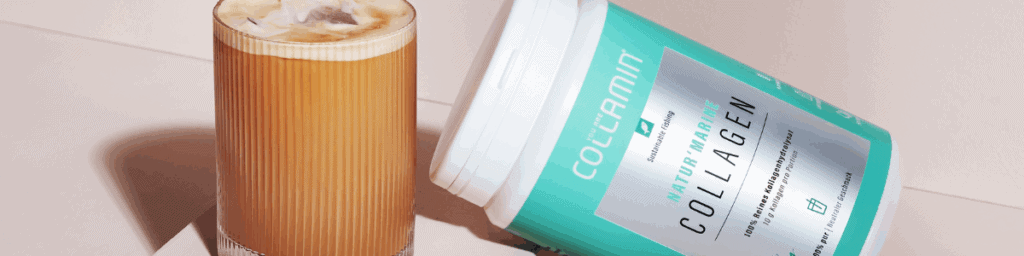
While everyone’s experience is different, many people include collagen as part of their self-care routine to support overall hair structure and vitality.
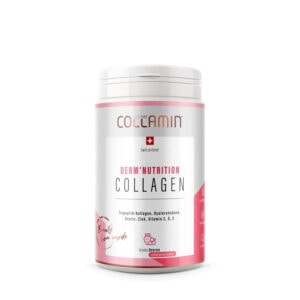
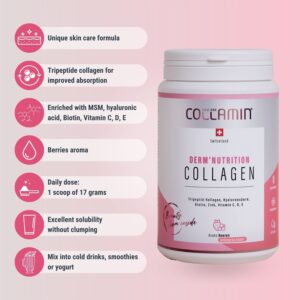
A Thoughtful Formula to Support Your Hair Journey
If you’re looking for additional support, some turn to products that gently nourish the body’s natural processes. Ingredients often chosen include:
Hydrolyzed Collagen Peptides – a source of amino acids, including those involved in the formation of keratin
Biotin & Zinc – essential nutrients that play a role in maintaining normal hair and skin
Vitamin C – contributes to normal collagen formation
Plant Extracts & Antioxidants – included for their protective properties against environmental stressors
MSM (Methylsulfonylmethane) – a sulfur-containing compound often used to support structural tissues
Silica (from Bamboo Extract) – a naturally occurring mineral element
Hyaluronic Acid – helps retain moisture in the skin and scalp
B-Vitamins (such as B6, B12, and Folate) – support normal energy metabolism and cellular function
Taken consistently, these ingredients are intended to support your body’s natural processes, helping you feel confident in your self-care journey—inside and out. Disclaimer: These products are supplements, not medical treatments. Results vary; consult your doctor before use.
Your Hair, Your Journey
Hair loss can feel like a loss of control—but it can also be a powerful turning point. A time to reconnect with your body, reset your habits, and choose practices that nurture not just your hair, but your overall well-being.
When it comes to causes of hair loss and hair regrowth, understanding your unique needs is key. Whether you’re focused on regrowth, prevention, or simply caring for what you have, you’re taking a step toward feeling stronger and more confident. And that’s something worth celebrating.